

Common Causes Of a Cracked Tooth
A cracked tooth may seem like a minor problem, one that you can deal with later. However, did you know that it could quickly get worse if you don’t treat it in time? Beyond aesthetics, cracks in your teeth mean easier access for bacteria to the inside of the tooth. For you, this translates into infections, pain, and even tooth loss.
If you know exactly why a cracked tooth happens, how to prevent it, and how it is treated, you can better protect your oral health. Let’s get started.
What Is a Cracked Tooth?
A cracked tooth is a tooth that has a crack or fracture in its structure. This crack can be superficial or deep. It can be visible or internal and may affect only the enamel or extend to the nerves and blood vessels. It may or may not present symptoms. The important thing to know is that a small crack can be a gateway for bacteria, causing infections.
Cracks in teeth do not appear by chance. They are usually caused by a combination of factors. For example:

- Chewing hard foods: Some foods can significantly increase the risk of tooth damage. These include hard candies, popcorn, nuts, and even ice. Avoid them whenever you can.
- Blows or trauma: If you have suffered any damage to your mouth, you may have affected your teeth. This often occurs in accidents, falls, or even certain impacts during sports activities.
- Large or old fillings: Sometimes, restorations can take up a large part of the tooth. In these cases, the structure becomes more fragile and susceptible to cracks.
- Sudden temperature changes: Not everyone takes this into account, but switching from very hot to very cold drinks can cause the enamel to expand and contract.
Of course, there is also the fact of age. As you get older, the chances of suffering from dental problems increase. For example, many older adults want to understand the reasons for tooth discoloration to restore the aesthetics of their smile, but others have cracks in their teeth that can lead to tooth loss.
Different Types Of Cracked Teeth
Not all cracks in teeth are the same. When you visit a dentist, they will be able to identify your cracks according to one of these types:
- Craze lines (fine lines): These are the mildest, as they are microcracks in the enamel. They do not cause any pain. They are usually a cosmetic problem and not at all functional.
- Fractured cusp: These occur when part of the tooth breaks off, usually around a filling. They require professional treatment.
- Cracked tooth: Here we see that the crack runs from the chewing surface to the root. Therefore, it does not completely split the tooth.
- Split tooth: In this case, the tooth is split into two separate parts. This is the most complicated of all, as it is very difficult to save the entire tooth.
Only a professional can diagnose the type of crack in your teeth. For example, if you contact an emergency dental clinic in Clearwater, you will find out whether your problem requires immediate attention or not, based on the type of crack you have.
Signs & Symptoms of a Cracked Tooth
Symptoms are not always the same. They vary from person to person, but they also tend to differ depending on the depth and location of the crack in the tooth. Some common symptoms are as follows:
- Sharp pain when biting or chewing.
- Sensitivity to cold, heat, or sweet foods.
- Intermittent discomfort that comes and goes for no apparent reason.
- Swelling of the gums around the affected tooth.
- Persistent bad breath even after brushing your teeth is a sign of possible infection.
- Changes in tooth color.
You should not get used to these problems or ignore the warning signs. You should not wait until you are in too much pain to see a dentist. By then, you may need more complex treatment!
How a Cracked Tooth Is Diagnosed
You cannot diagnose a cracked tooth on your own. This can only be done by a professional, such as those who offer emergency dentistry services. They may use techniques such as:
- A detailed visual examination to detect any changes in the structure.
- Bite tests to accurately identify the exact point of pain.
- Transillumination, using a special light that helps reveal internal cracks.
- Precise X-rays, which are used to assess whether the crack has affected the root or bone.
- Pulp evaluation, which is key to determining whether the nerve is compromised.
The diagnostic process is designed to accurately identify the issue and determine the most appropriate treatment.
Available Treatment Options For Cracked Teeth
To determine which treatment is right for you, a diagnosis is necessary. The options available to you are usually:
- Dental bonding: This involves using a tooth-colored resin. This allows small cracks to be sealed and the natural shape of the tooth to be restored.
- Dental crowns: Crowns are placed to cover and protect the weakened tooth. This is a great solution when the tooth structure can still be saved.
- Root canal therapy: Does the crack reach the pulp, and is there an infection? If so, the inside of the tooth is cleaned. Then, a crown is placed.
- Dental veneers: If the cracks are superficial or too visible, veneers are a great option to improve the aesthetics of your mouth.
- Tooth extraction: Conversely, if the case is too complex and the tooth cannot be saved, extraction is recommended. A replacement can then be requested.
Each case is analyzed individually. The solution that works for you will not necessarily be the one that worked for someone else, and vice versa.
How To Prevent a Cracked Tooth
Just as it is important to know the causes of stained teeth, which can reduce aesthetic problems, it is also important to know how to prevent cracks in your teeth. These habits reduce the risk of them appearing:
- Avoid biting hard objects directly.
- Wear a mouthguard if you play contact sports.
- Treat bruxism promptly to prevent ongoing damage.
- Brush your teeth regularly.
- Have regular dental checkups, at least once a year.
In short, the better you take care of your teeth, the less likely you are to suffer from cracks.
When a Cracked Tooth Requires Professional Dental Care
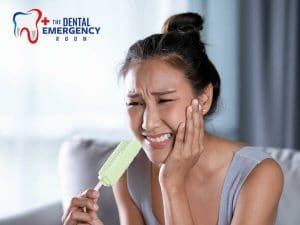
- Intense pain that does not subside.
- Visible swelling in the gums or face.
- Fever or general discomfort.
- Presence of pus or persistent bad taste.
- Difficulty chewing.
Prompt attention can make all the difference. If you think you have a cracked tooth and have experienced any of these symptoms recently, it’s time to take action!
At The Dental Emergency Room, we provide top-rated emergency dentistry in Clearwater, FL, to help you relieve pain quickly and protect your smile completely. Schedule your appointment now.

Dental Emergency Room
1935 Drew Street,
Clearwater, Florida 33765
Phone: 727-449-2424





Leave A Comment